
Recent changes
Rule changes with a date, from Bordr's checks of official sources.
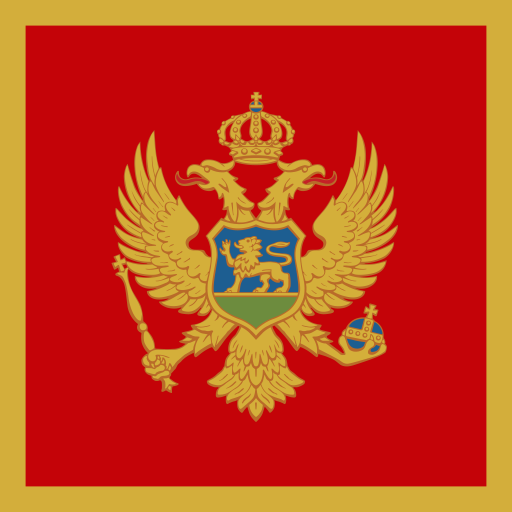 MontenegroMontenegro now asks citizens of Russia, Belarus, China, Saudi Arabia and Türkiye for a visa, in line with EU visa policy. Source
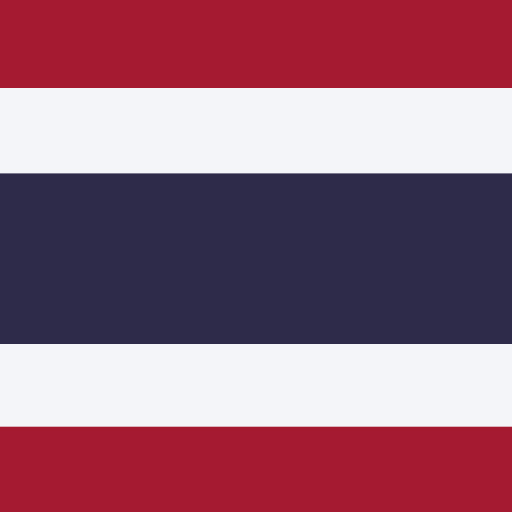 ThailandThailand cut visa-free stays from 60 to 30 days. Source
 JapanJapan's single-entry visa now costs about ¥15,000. Source
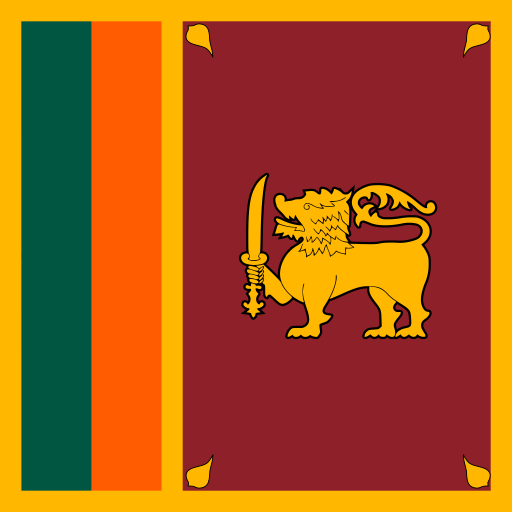 Sri LankaSri Lanka's tourist ETA became free of charge; you still need it before arrival. Source
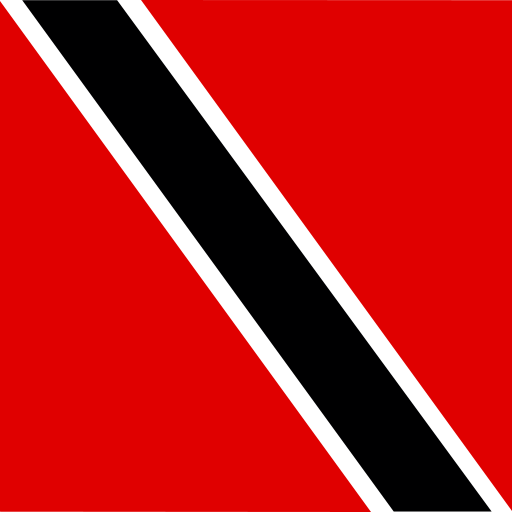 Trinidad and TobagoTrinidad and Tobago brought in a free online arrival and departure card, due within 72 hours of travel. Source
 MalawiMalawi ended its broad visa waiver: most visitors need a visa again, as an e-visa or on arrival. Source
 Cabo VerdeCabo Verde requires every arriving traveller to pre-register on EASE and pay an airport security fee. Source
 BoliviaUS citizens no longer need a visa for Bolivia (up to 90 days a year). Source
 TaiwanTaiwan replaced paper arrival cards with the online Taiwan Arrival Card. Source
 Papua New GuineaPapua New Guinea requires a free digital arrival card within 72 hours before arrival. Source
 BrazilUS citizens need an e-Visa for Brazil (up to 90 days per stay). Source
 NamibiaNamibia requires a visa from many formerly visa-free visitors, including US and UK citizens: on arrival or online. Source
How to read this
Visa-free means you can arrive with just your passport, for the days shown. ETA and e-Visa are applied for online before the trip; a visa on arrival is bought at the border. Visa required means an embassy or consulate visa before you travel.
With two passports, the best-of view takes the easier status for each country, and the longer stay when both are the same kind. Use the passport you entered with for the whole stay.
How do passports compare? See the passport ranking.
Frequently asked questions
Which passport should I use when I hold two?
Usually the one that gives the easier entry or the longer stay, and the same one on the way in and out. Some countries require their own citizens to enter on their own passport.
Why does a country show fewer days than I expected?
Our data follows the latest official rules we have checked, which can differ from older lists. The officer at the border can also grant fewer days: the date on your stamp is the one that counts.
Is this the full set of rules?
No. It shows whether you need a visa and for how long. Arrival cards, insurance, onward tickets and passport validity are on each destination's page.
Data: the open-source Passport Index dataset (MIT licence), the same matrix the Bordr app uses, corrected by Bordr's checks of official government sources (last checked 30 October 2026).
Includes visa data from Wikipedia (CC BY-SA 4.0), retrieved 1 November 2026; Bordr's official-source checks take precedence.
This page is general information, not legal advice. Entry rules change and border officers have the final say. Check the official government source for your destination before you travel.